
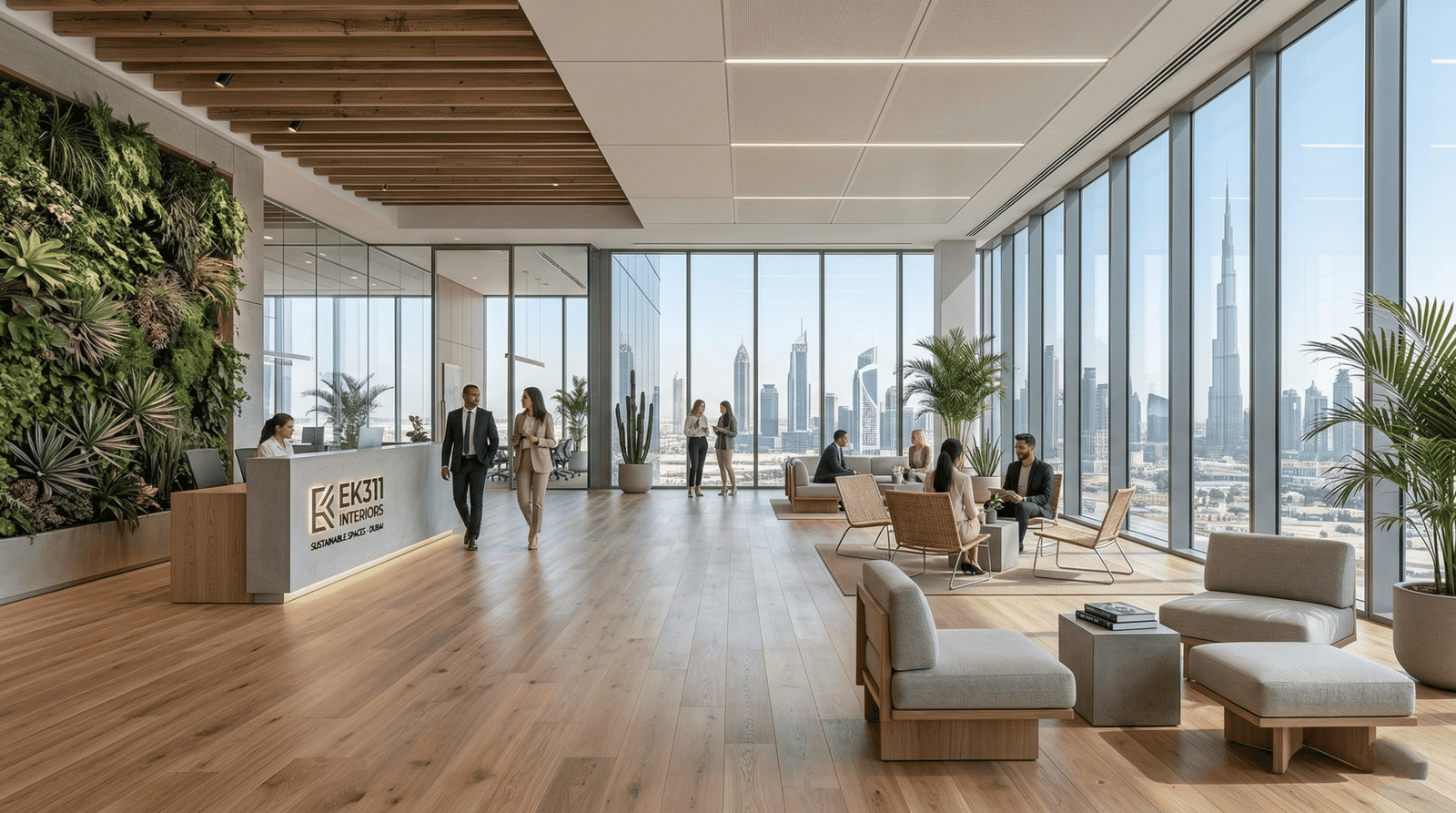
As sustainability becomes a priority in modern construction, the demand for healthier and environmentally responsible building materials continues to grow. In the UAE, where rapid development meets increasing environmental awareness, VOC-free and LEED certified materials are becoming essential components of responsible design and construction.
These materials not only contribute to sustainable architecture but also create healthier indoor environments for people who live and work within these spaces. From commercial offices to hospitality projects and residential interiors, selecting environmentally responsible materials has become an important factor in modern interior solutions.
Understanding VOC-Free Materials
VOC stands for Volatile Organic Compounds, which are chemicals commonly found in paints, adhesives, flooring materials, and finishes. These compounds can evaporate into the air over time, contributing to indoor air pollution and potentially causing health issues such as headaches, respiratory irritation, and long-term health concerns.
VOC-free materials are designed to eliminate or significantly reduce these emissions, improving indoor air quality and creating safer environments for occupants. In high-density cities like Dubai and Abu Dhabi, where buildings are often sealed and air-conditioned year-round, maintaining clean indoor air is particularly important.
Using VOC-free flooring, adhesives, and finishes ensures that indoor spaces remain comfortable and safe while supporting healthier workplaces, commercial environments, and homes.
What LEED Certification Means for Buildings
LEED, or Leadership in Energy and Environmental Design, is an internationally recognized certification system that evaluates the environmental performance of buildings. Projects that incorporate sustainable construction practices and environmentally responsible materials can qualify for different levels of LEED certification.
In the UAE, LEED-certified developments are becoming increasingly common, particularly in commercial buildings, hotels, and large-scale developments. Many developers and organizations prioritize LEED standards because they demonstrate a commitment to sustainability, energy efficiency, and long-term environmental responsibility.
Using LEED-compliant materials such as sustainable flooring systems, low-emission adhesives, and environmentally responsible finishes contributes to earning points within the certification process.
Why Sustainable Materials Matter for UAE Projects
The UAE’s construction industry continues to grow rapidly, making sustainability a key focus for long-term development. By integrating VOC-free and LEED-certified materials into projects, companies can reduce environmental impact while improving the quality of interior spaces.
Sustainable materials often provide additional benefits such as improved durability, energy efficiency, and long-term performance. In commercial spaces with heavy daily usage, these materials help maintain structural integrity while supporting environmentally responsible construction practices.
Businesses and developers are also increasingly aware that sustainable buildings attract investors, tenants, and clients who prioritize environmental responsibility.
Low-maintenance flooring options can significantly reduce operational costs over time. Materials such as vinyl and modular carpet tiles are known for their ease of cleaning and long lifespan. Additionally, modular solutions allow businesses to replace small sections rather than the entire floor if damage occurs.
Long-term performance also depends on proper installation. Professional installation ensures that flooring systems remain stable, safe, and resistant to daily wear.
Best Practices for Sustainable Interior Materials
Choosing sustainable materials requires careful planning and collaboration with experienced interior contractors and material suppliers. Flooring systems, adhesives, paints, and finishes should all meet recognized environmental standards while maintaining durability and design quality.
Interior professionals often evaluate factors such as material lifecycle, recyclability, emissions levels, and long-term maintenance requirements when selecting products. By balancing sustainability with performance, projects can achieve both environmental responsibility and practical functionality.
Sustainable interior solutions are no longer simply a design trend. They represent a long-term investment in healthier buildings, improved environmental performance, and responsible development.
It is also important to evaluate environmental factors such as moisture exposure, temperature changes, and noise levels. For example, hospitality environments may prioritize comfort and acoustic performance, while retail spaces often prioritize durability and ease of maintenance.
Working with experienced flooring professionals can help businesses select materials that align with both practical requirements and design objectives.
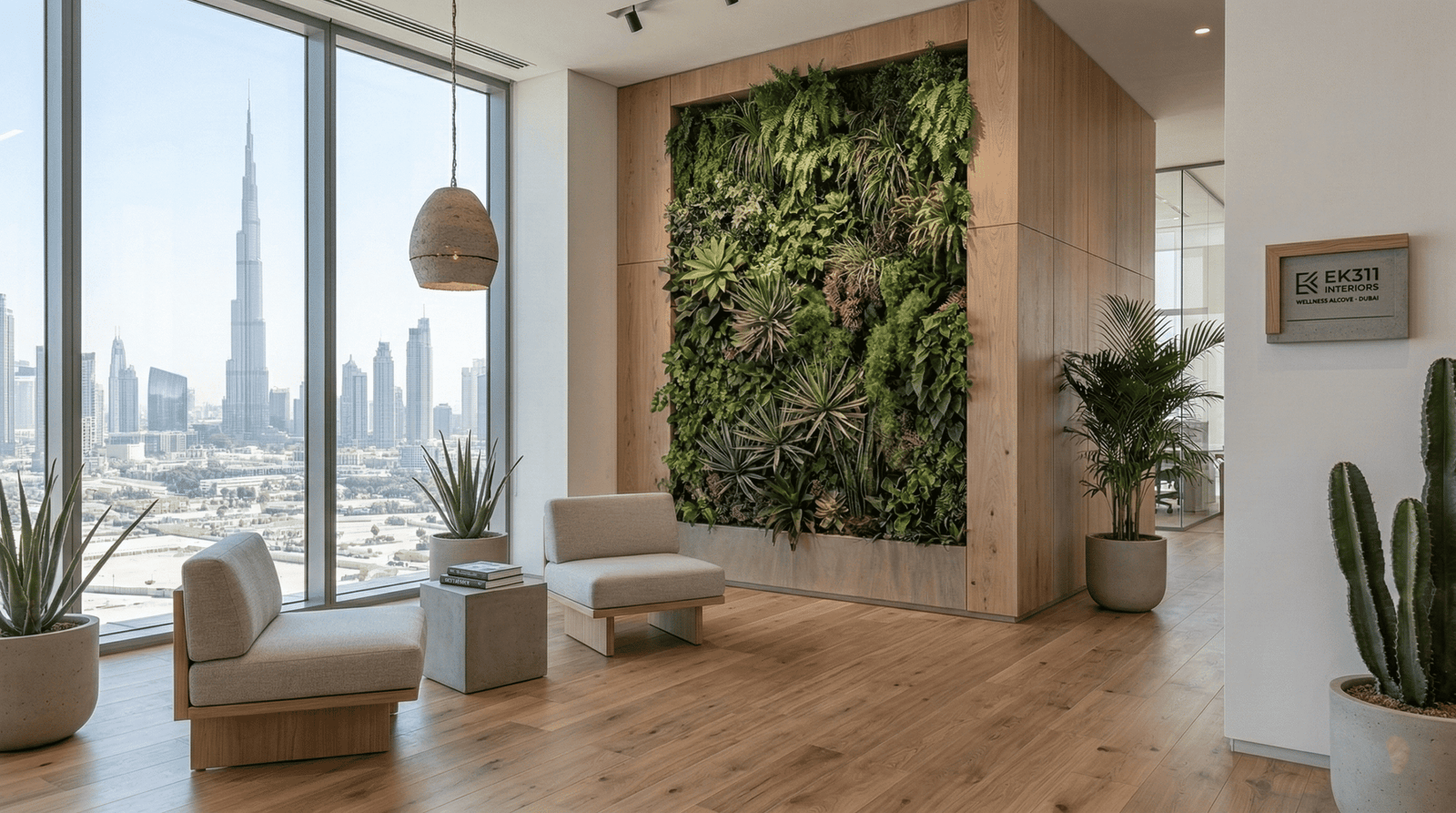
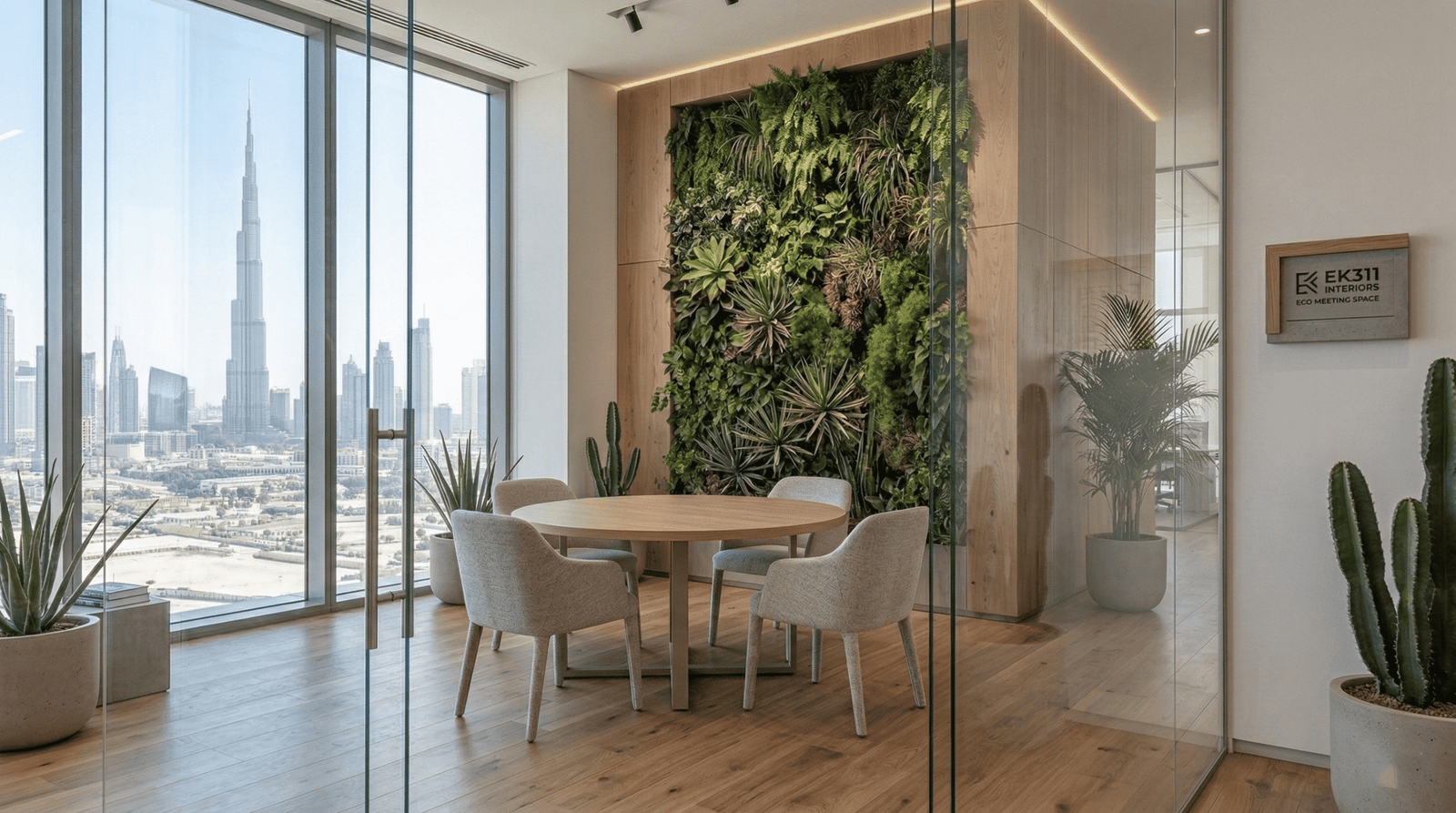
“Sustainable materials are not just about protecting the environment - they also improve the quality of the spaces where people live and work every day.”Interior Design Specialist
Building Healthier Spaces for the Future
VOC-free and LEED-certified materials play a crucial role in shaping the future of construction and interior design in the UAE. As sustainability standards continue to evolve, developers, designers, and contractors are increasingly prioritizing materials that promote both environmental responsibility and human wellbeing.
By selecting certified materials and working with knowledgeable professionals, businesses and property owners can create interior spaces that are durable, environmentally responsible, and designed to support healthier communities for years to come.