
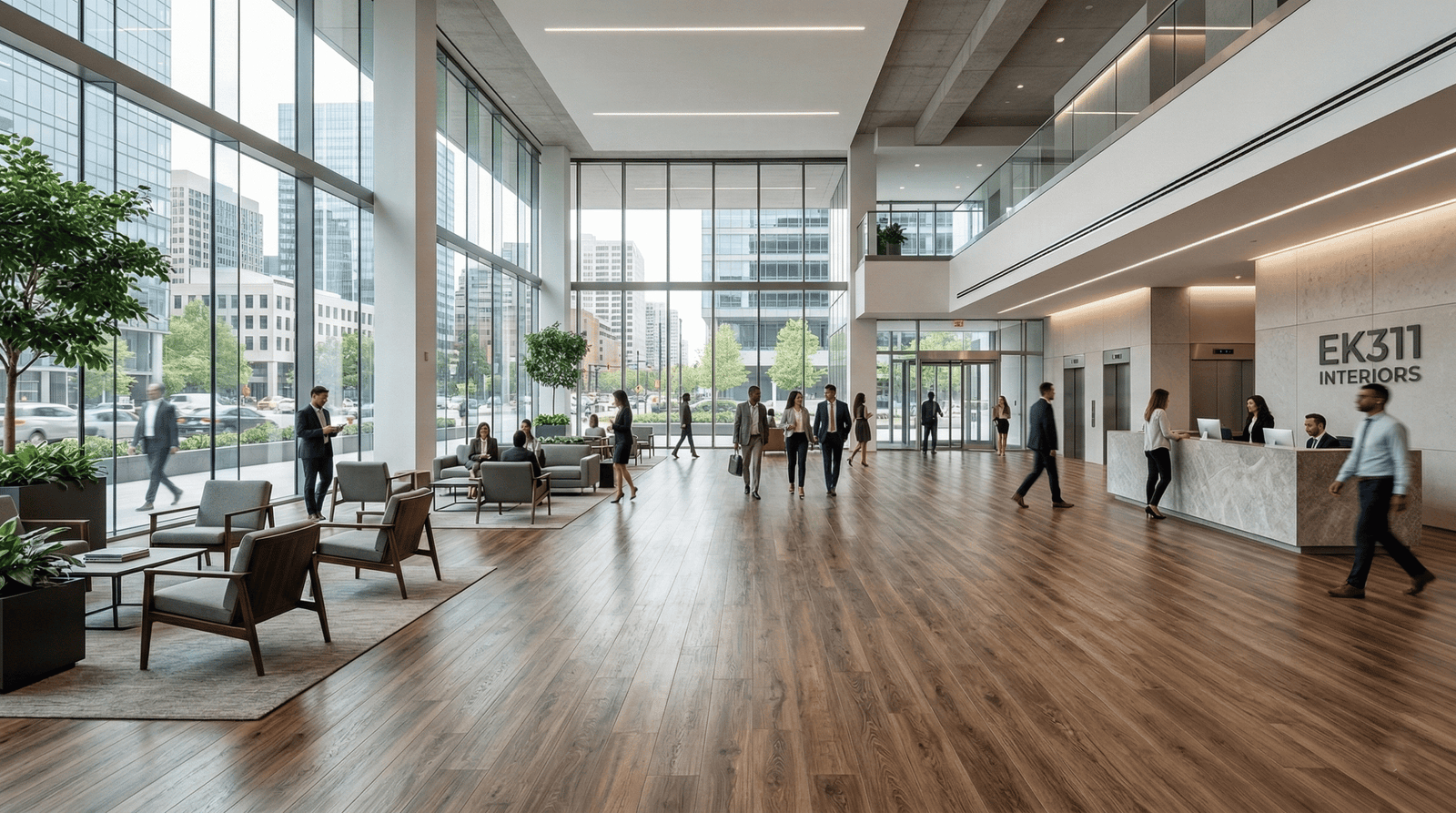
Commercial environments experience constant movement, heavy use, and daily wear. From offices and retail stores to hotels and public facilities, flooring plays a crucial role in both functionality and visual appeal. Choosing the right flooring for high-traffic commercial spaces is not simply about aesthetics – it is about durability, maintenance, safety, and long-term value.
Businesses must consider materials that can withstand frequent foot traffic while maintaining a professional and polished appearance. The right flooring solution can enhance the overall environment, improve safety, and reduce long-term maintenance costs.
Understanding the Demands of High-Traffic Areas
High-traffic spaces require flooring that performs under pressure. Areas such as lobbies, corridors, retail stores, restaurants, and commercial offices experience continuous use throughout the day. These environments demand materials that are resistant to scratches, stains, moisture, and heavy loads.
Durability is one of the most important factors when selecting flooring for commercial spaces. Materials must maintain their structural integrity and visual appearance despite constant wear. Flooring that deteriorates quickly can lead to increased maintenance costs and frequent replacements, which disrupt business operations.
Another important consideration is safety. Slip-resistant surfaces and stable installations help reduce the risk of accidents, especially in environments where large numbers of people move throughout the day.
Key Flooring Materials for Commercial Spaces
Selecting the right flooring begins with understanding the advantages of different materials.
Vinyl flooring is widely used in commercial environments due to its durability, affordability, and design flexibility. Modern luxury vinyl tiles (LVT) replicate the look of natural materials such as wood or stone while offering superior resistance to scratches, moisture, and heavy traffic.
Carpet tiles are another popular option for offices and hospitality environments. They help absorb sound, improve comfort, and allow for easy replacement of individual sections if damage occurs.
Engineered wood flooring offers a refined and professional appearance, making it ideal for executive offices, showrooms, and upscale commercial interiors. While it provides a natural aesthetic, it also requires proper installation and maintenance to ensure long-term performance.
Rubber and sports flooring are commonly used in gyms, recreational facilities, and educational institutions. These materials provide shock absorption, durability, and safety for active environments.
Maintenance and Longevity Considerations
Maintenance requirements should always be evaluated before selecting commercial flooring. Some materials require frequent polishing, refinishing, or deep cleaning, while others are designed for minimal upkeep.
Low-maintenance flooring options can significantly reduce operational costs over time. Materials such as vinyl and modular carpet tiles are known for their ease of cleaning and long lifespan. Additionally, modular solutions allow businesses to replace small sections rather than the entire floor if damage occurs.
Long-term performance also depends on proper installation. Professional installation ensures that flooring systems remain stable, safe, and resistant to daily wear.
Best Practices for Selecting Commercial Flooring
When choosing flooring for high-traffic environments, businesses should focus on a balance between durability, functionality, and design. The flooring should complement the interior design of the space while supporting daily operational demands.
It is also important to evaluate environmental factors such as moisture exposure, temperature changes, and noise levels. For example, hospitality environments may prioritize comfort and acoustic performance, while retail spaces often prioritize durability and ease of maintenance.
Working with experienced flooring professionals can help businesses select materials that align with both practical requirements and design objectives.
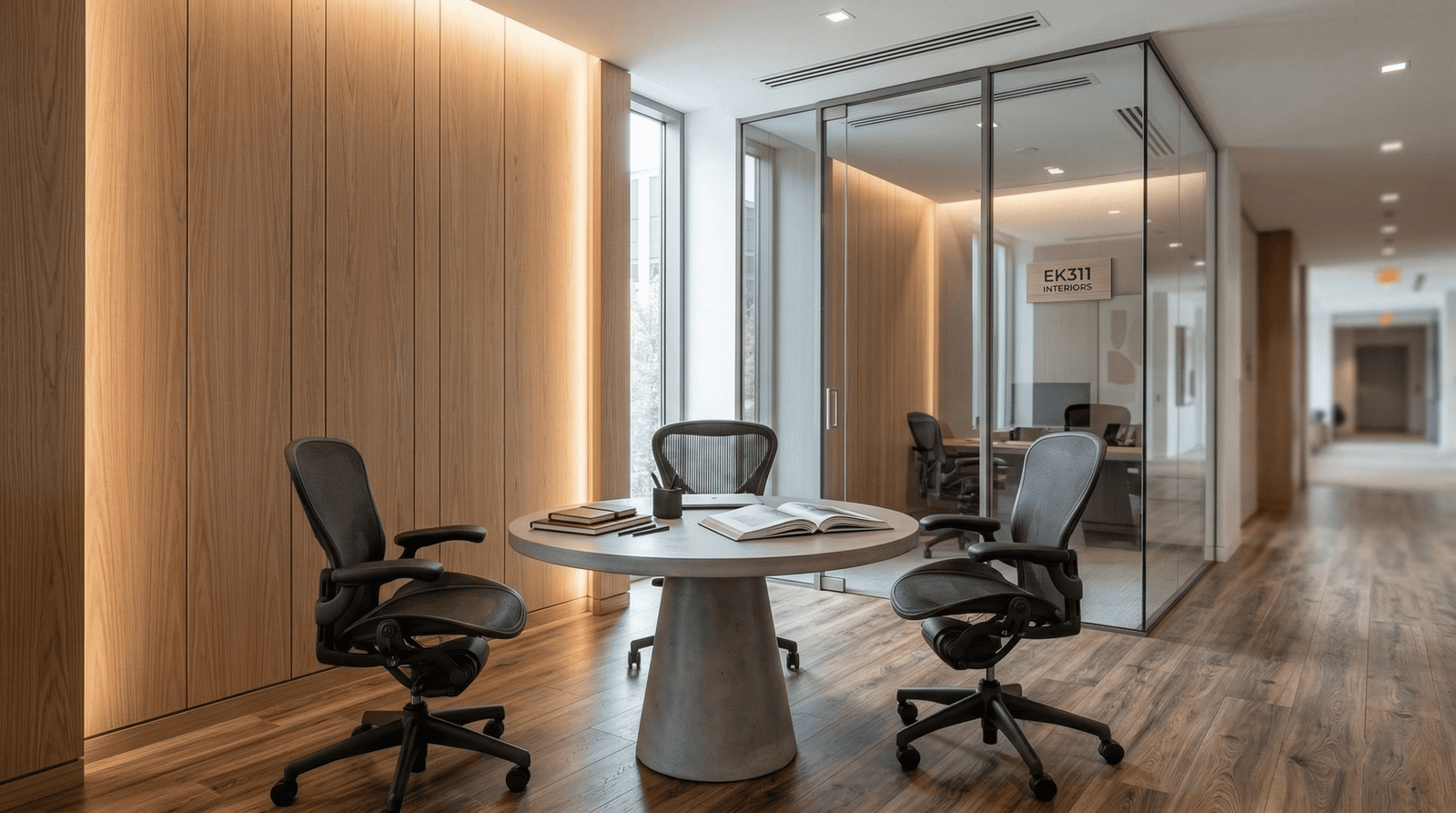
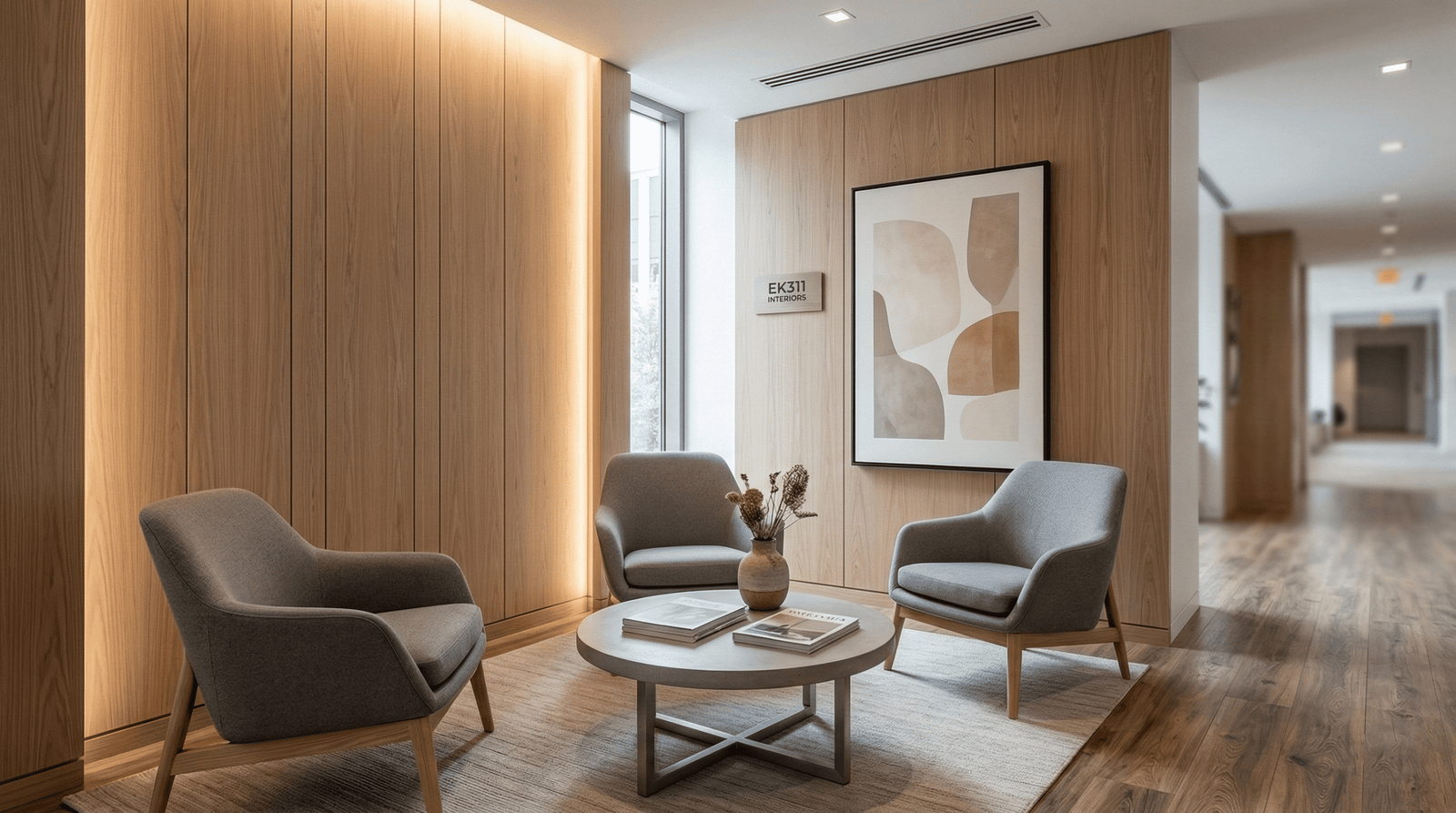
“Successful commercial interiors balance durability with design. The right flooring solution supports daily operations while maintaining a professional and welcoming environment.”Interior Design Specialist
Creating Long-Lasting Commercial Interiors
Flooring is one of the most important foundations of any commercial space. When carefully selected, it contributes to the durability, safety, and visual identity of the environment. High-quality materials combined with professional installation ensure that businesses can maintain attractive and functional interiors for many years.
By prioritizing durability, maintenance efficiency, and design compatibility, companies can create commercial spaces that perform reliably under constant use while still delivering a polished and professional appearance.