
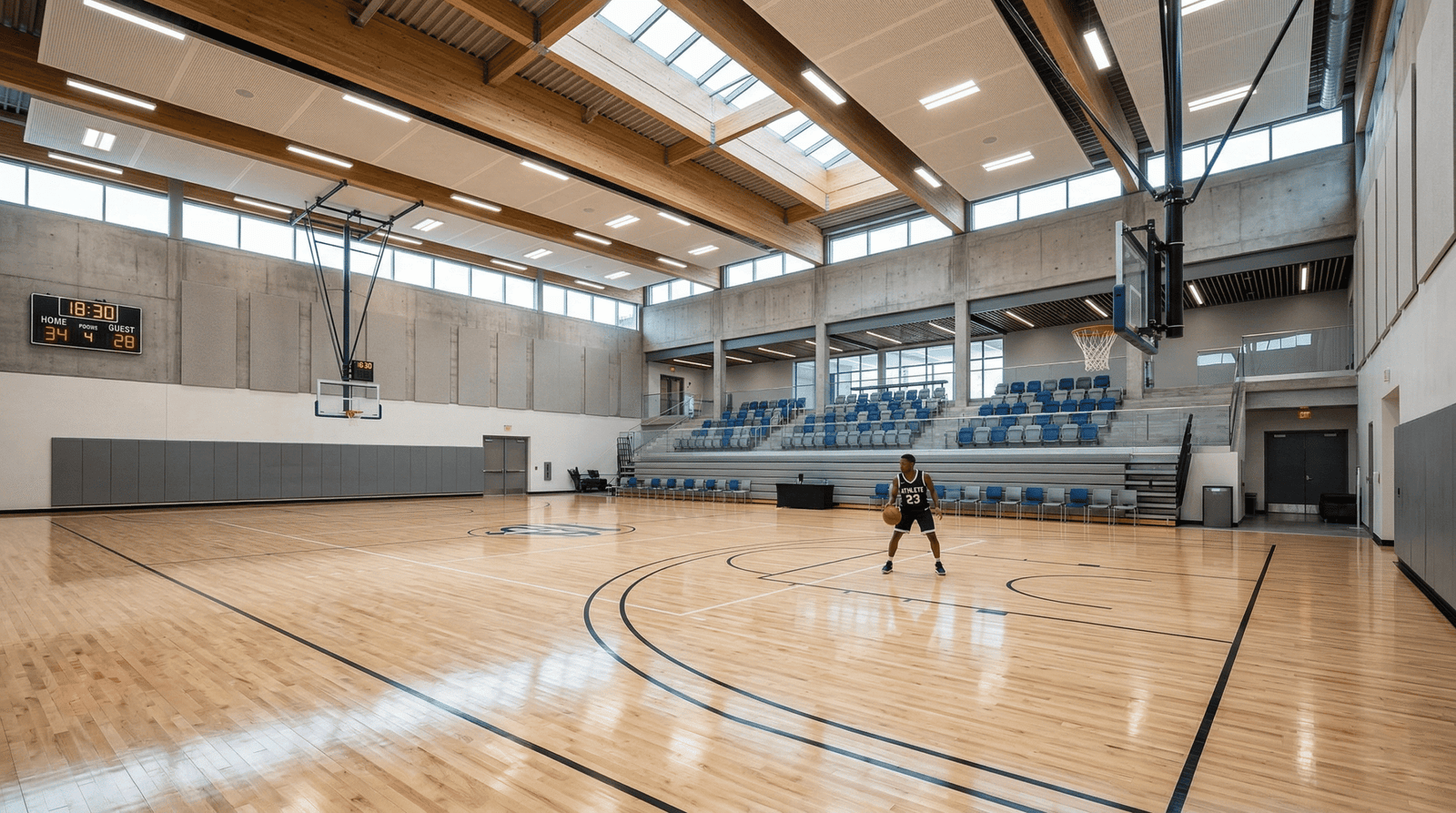
Sports facilities require more than just visually appealing interiors. The flooring used in gyms, training centers, sports halls, and recreational facilities plays a crucial role in safety, performance, and durability. Proper sports flooring must be designed to support physical activity, reduce the risk of injuries, and withstand heavy daily use.
From professional indoor arenas to school gymnasiums and fitness studios, selecting the right sports flooring system ensures that athletes and users can perform safely while maintaining consistent surface quality over time. Understanding the key standards and requirements behind sports flooring helps facility owners make informed decisions that prioritize both performance and long-term reliability.
Understanding Sports Flooring Requirements
Sports flooring must meet specific performance standards to ensure safety and functionality. Unlike traditional flooring systems, sports surfaces are engineered to provide shock absorption, slip resistance, and surface stability. These characteristics help reduce the impact on athletes’ joints while maintaining consistent traction during movement.
Shock absorption is particularly important in sports environments because it helps reduce the risk of injuries caused by repetitive movement, jumping, and sudden directional changes. High-quality sports flooring systems are designed to distribute impact evenly, allowing athletes to perform comfortably during both training and competitive events.
Another essential factor is durability. Sports facilities experience constant use, and flooring systems must withstand heavy foot traffic, equipment loads, and regular maintenance without deteriorating quickly.
Key Types of Sports Flooring Systems
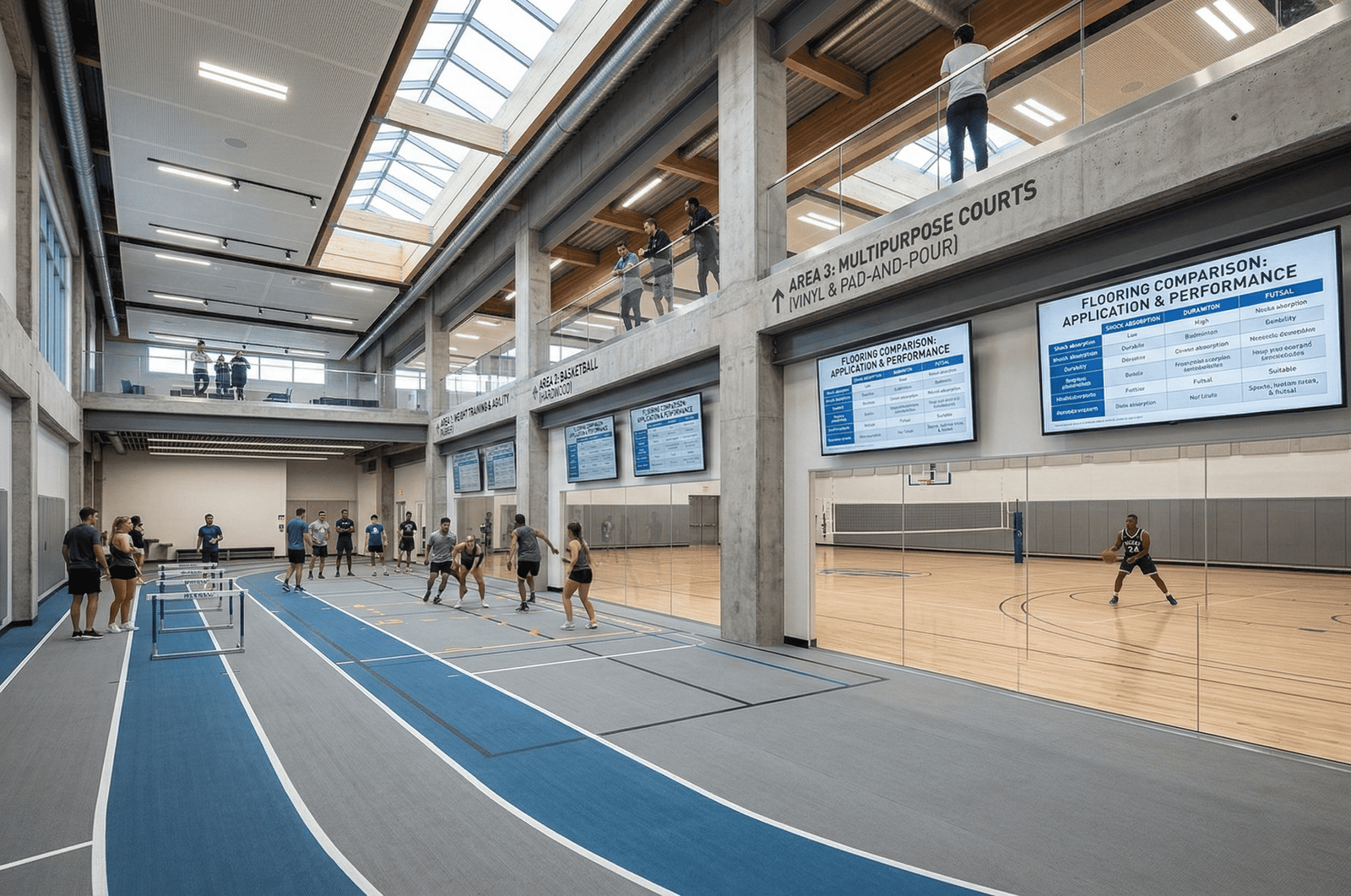
There are several types of sports flooring systems used across different facilities, each designed to meet the specific demands of various activities.
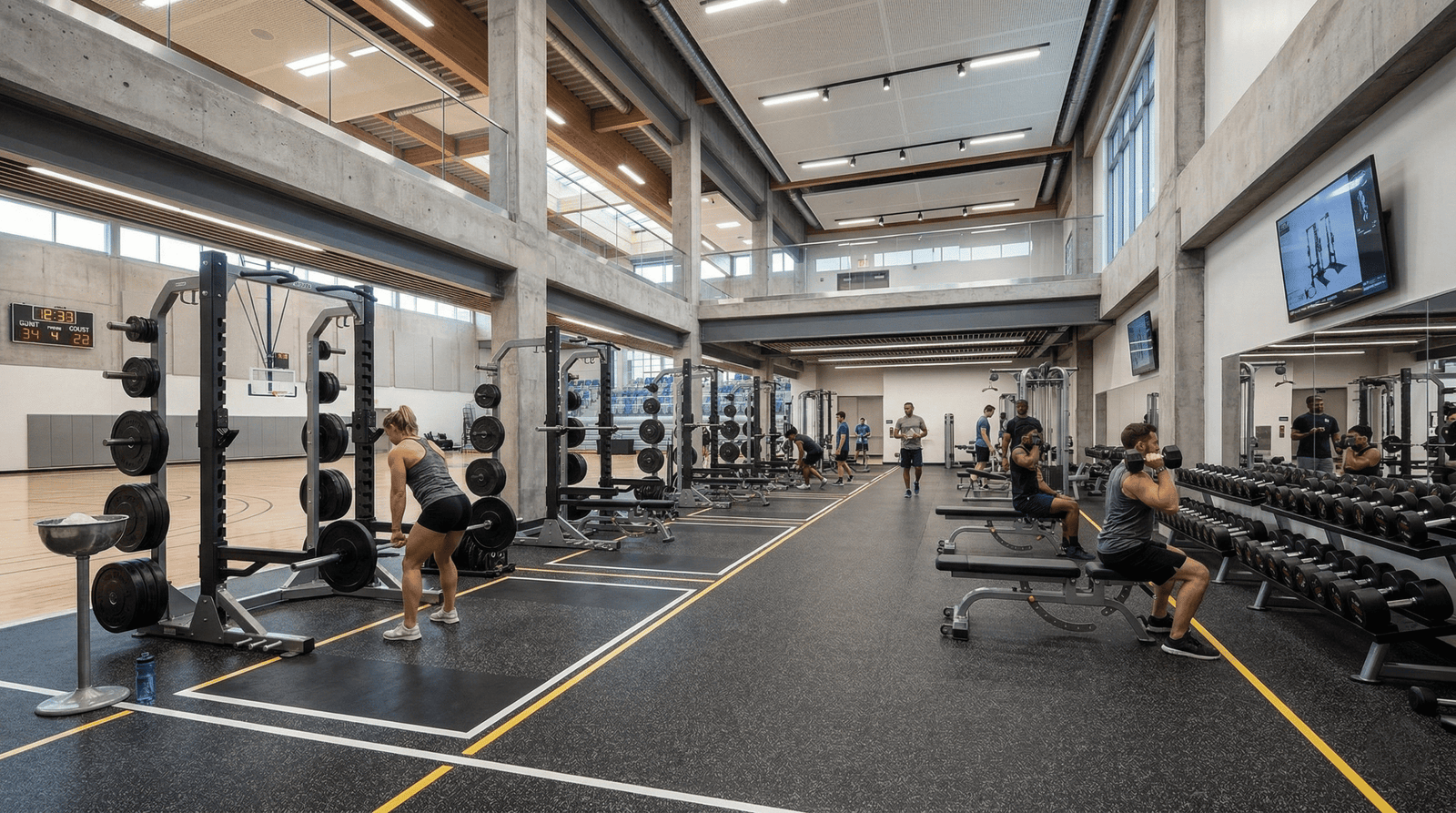
Rubber sports flooring is commonly used in gyms and fitness centers due to its durability and shock-absorbing qualities. It provides a safe and resilient surface that can withstand heavy weights and intense training environments.
Wood sports flooring is widely used in basketball courts, indoor sports halls, and professional arenas. Engineered wooden flooring systems provide excellent ball bounce, traction, and aesthetic appeal, making them ideal for competitive sports environments.
Vinyl sports flooring is another popular option for multipurpose sports halls and recreational centers. It offers a balance of durability, flexibility, and easy maintenance while supporting a variety of indoor sports activities.
Each flooring type is designed to meet different performance standards, making it important for facility managers to choose the system that best suits their intended use.
International Standards and Safety Guidelines
Sports flooring systems must comply with recognized international standards that ensure safety and performance. Organizations such as the International Basketball Federation (FIBA), International Association of Athletics Federations (IAAF), and other regulatory bodies establish guidelines that define how sports surfaces should perform.
These standards evaluate factors such as shock absorption, surface friction, ball rebound, and vertical deformation. Meeting these requirements helps ensure that athletes can perform at their best while minimizing the risk of injuries.
Professional installation is also critical for maintaining these standards. Proper subfloor preparation, material selection, and installation techniques all contribute to the performance and longevity of the flooring system.
Best Practices for Maintaining Sports Flooring
Maintaining sports flooring is essential to preserve both safety and performance. Regular cleaning, inspection, and surface maintenance help ensure that flooring systems remain functional and visually appealing for many years.
Facility managers should implement maintenance routines that include cleaning protocols, damage inspections, and periodic resurfacing when necessary. Proper maintenance not only protects the flooring investment but also ensures that athletes and users continue to benefit from safe and reliable playing surfaces.
Working with experienced flooring specialists can help facilities maintain compliance with industry standards while extending the lifespan of their sports flooring systems.
“The right sports flooring system supports performance, protects athletes, and ensures long-term durability in high-demand environments.”Sports Facility Design Specialist
Creating Safe and High-Performance Sports Environments
Sports flooring plays a vital role in the overall success of athletic facilities. By selecting flooring systems that meet international standards and performance requirements, facility owners can create environments that support both recreational users and professional athletes.
Whether for schools, gyms, sports clubs, or multipurpose arenas, high-quality sports flooring contributes to safety, durability, and improved athletic performance. Investing in the right materials and professional installation ensures that sports facilities remain reliable, functional, and ready for years of activity.