
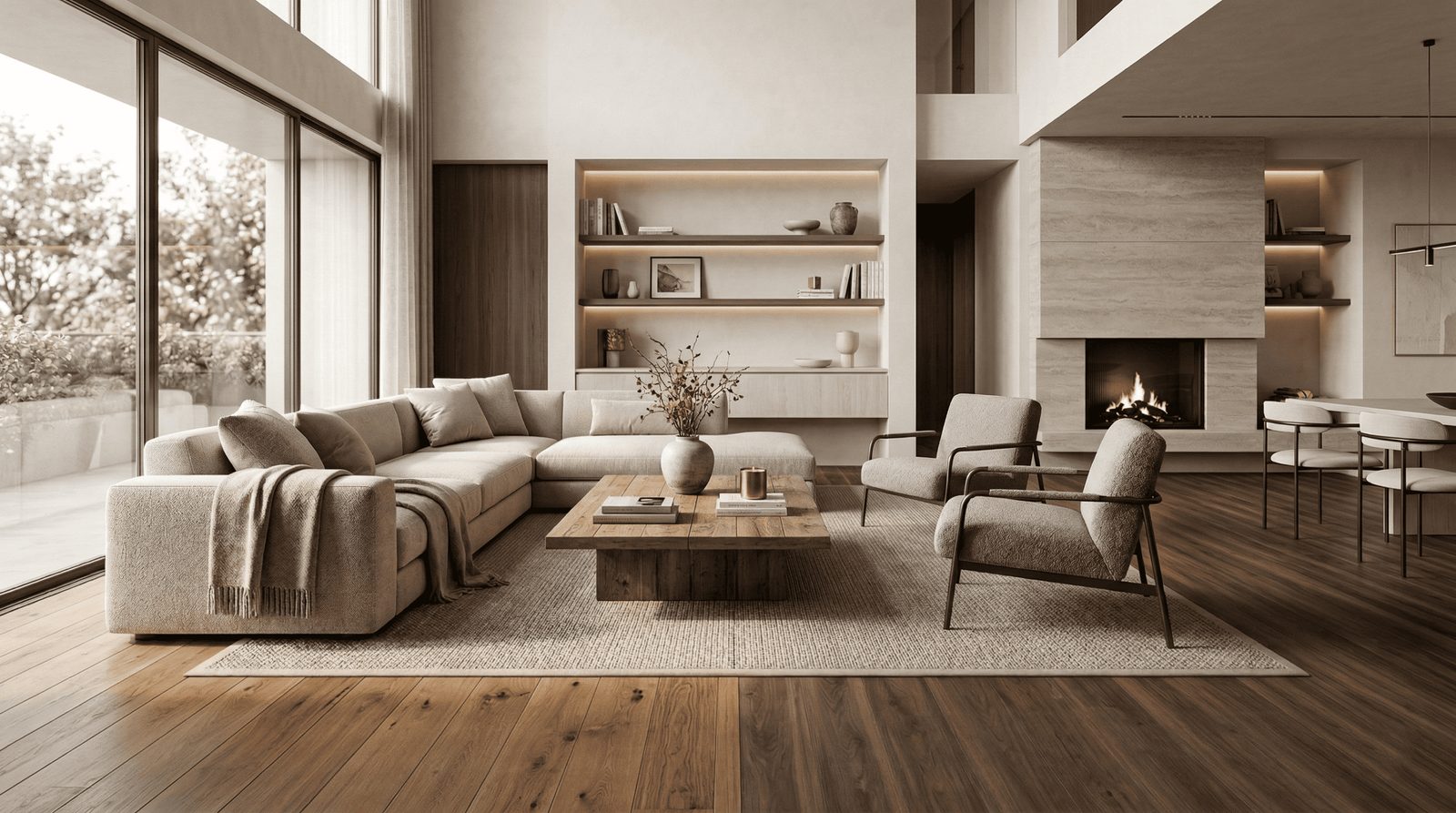
Choosing the right flooring is one of the most important decisions in any interior project. Flooring not only defines the visual character of a space but also affects durability, maintenance, and long-term functionality. Two of the most popular options in modern interior design are vinyl flooring and wood flooring, each offering distinct advantages depending on the type of project.
From residential interiors to commercial spaces, both materials provide unique benefits in terms of aesthetics, cost, and performance. Understanding the differences between vinyl and wood flooring can help property owners, designers, and developers select the most suitable solution for their specific needs.
Understanding Vinyl Flooring
Vinyl flooring has become increasingly popular in modern interior projects due to its durability, versatility, and cost efficiency. Luxury Vinyl Tiles (LVT) and vinyl planks are designed to replicate the natural appearance of wood or stone while offering improved resistance to moisture, scratches, and heavy foot traffic.
One of the biggest advantages of vinyl flooring is its practicality. It is highly resistant to water and stains, making it ideal for commercial spaces, retail environments, hospitality settings, and even residential kitchens or bathrooms. Vinyl flooring is also relatively easy to maintain, requiring simple cleaning without the need for specialized treatments.
In addition to its durability, vinyl flooring offers a wide range of design possibilities. Modern manufacturing technologies allow vinyl surfaces to closely mimic natural textures and patterns, providing the aesthetic appeal of natural materials with enhanced performance.
The Appeal of Natural Wood Flooring
Wood flooring has long been associated with elegance, warmth, and timeless design. Natural wood surfaces create a sophisticated atmosphere that enhances the character of both residential and commercial interiors. Many designers prefer wood flooring for its authentic texture and natural variations, which add depth and visual interest to interior spaces.
Engineered wood flooring is commonly used in modern projects as it provides improved stability compared to traditional solid wood while maintaining the beauty of natural timber. This type of flooring works well in offices, luxury retail spaces, and residential interiors where aesthetics play a major role.
However, wood flooring requires proper care and maintenance. It can be more sensitive to moisture, temperature changes, and heavy wear, which means it may not always be the most practical option for extremely high-traffic environments.
Comparing Durability and Performance
When selecting flooring for a project, durability and long-term performance are key factors to consider. Vinyl flooring is generally more resistant to moisture, scratches, and heavy daily use, making it a practical choice for commercial and high-traffic areas.
Wood flooring, while visually appealing, may require refinishing or additional maintenance over time to maintain its original appearance. In environments where durability and low maintenance are top priorities, vinyl flooring often provides a more efficient long-term solution.
That said, many designers choose wood flooring in spaces where visual impact and luxury aesthetics are the main objectives. Executive offices, boutique retail stores, and high-end residential interiors often benefit from the natural beauty that wood flooring provides.
Choosing the Right Flooring for Your Space
The best flooring choice ultimately depends on the specific requirements of the project. Factors such as foot traffic, moisture exposure, maintenance expectations, and design goals all influence the decision-making process.
Vinyl flooring is often selected for projects that require durability, flexibility, and cost efficiency. Wood flooring, on the other hand, remains a preferred option for spaces where natural materials and premium aesthetics are a priority.
Working with experienced interior and flooring professionals can help ensure that the selected material aligns with both the functional needs and design vision of the project.
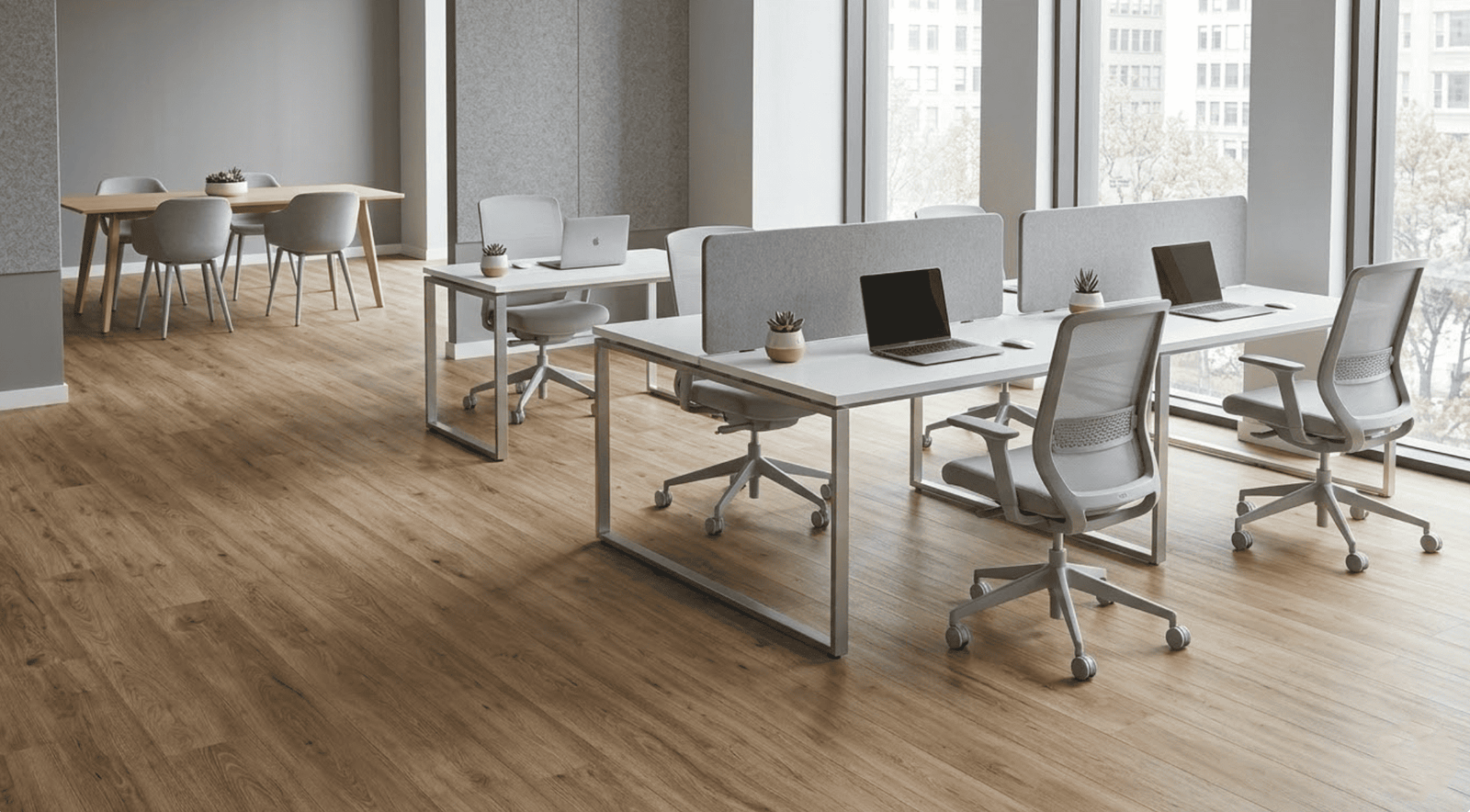
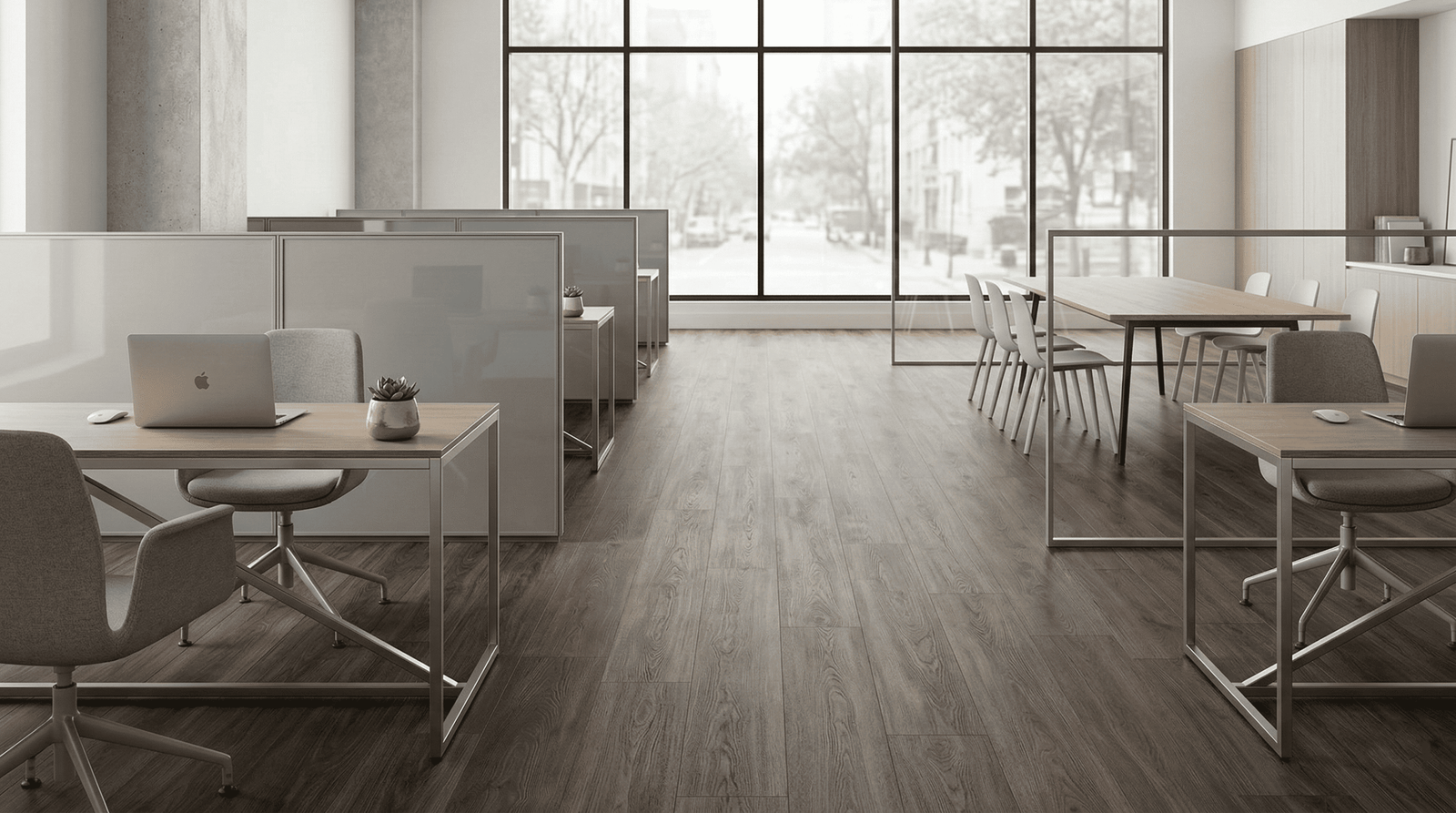
“The best flooring solution balances durability, design, and practicality. Understanding the environment of the space helps determine whether vinyl or wood is the right choice.”Interior Design Specialist
Finding the Balance Between Style and Function
Both vinyl and wood flooring offer valuable benefits, making them suitable for different types of projects. While vinyl flooring excels in durability and maintenance efficiency, wood flooring continues to stand out for its natural elegance and timeless appeal.
By evaluating the unique requirements of each space, property owners and designers can choose flooring materials that deliver long-lasting performance while enhancing the overall design of the interior.